Pilot Logbook: A Comprehensive Guide for Aviation Enthusiasts
Pilot Logbook is an essential tool for any aviation enthusiast, from student pilots to seasoned professionals. It serves as a detailed record of flight hours, training, and other important information that is crucial for maintaining and advancing one's flying career.
Understanding the Importance of a Pilot Logbook
A well-maintained Pilot Logbook is not just a formality; it is a critical document that helps pilots track their progress, meet regulatory requirements, and even secure job opportunities. For instance, when applying for a new position or seeking a promotion, a detailed logbook can demonstrate your experience and commitment to potential employers.
Challenges and Needs in Maintaining a Pilot Logbook
Maintaining a Pilot Logbook can present several challenges. One common issue is the need for accuracy and completeness. Pilots must ensure that all entries are precise and up-to-date, which can be time-consuming. Additionally, physical logbooks can be prone to damage or loss, making digital or printable solutions increasingly popular.
Goals and Situations Related to Pilot Logbook Use
- Regulatory Compliance: Meeting the requirements set by aviation authorities, such as the FAA, is a top priority for all pilots.
- Career Advancement: A well-documented logbook can be a valuable asset when seeking promotions or new job opportunities.
- Training and Certification: Keeping track of training hours and certifications is essential for both students and experienced pilots.
How a Printable Pilot Logbook Can Help
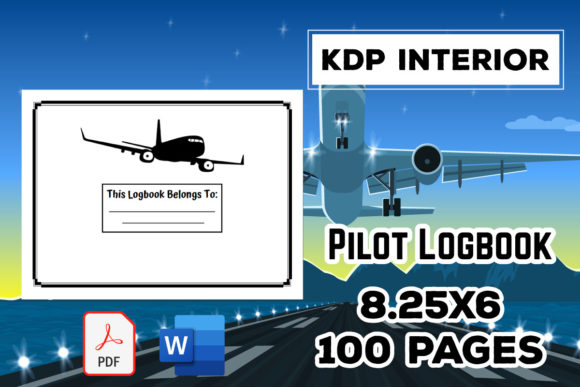
A Pilot Logbook designed for printing offers a practical and convenient solution. This pack includes a PDF file ready for upload and a Word Document that is fully editable. The size (8.25x6) and page count (100 pages) make it ideal for use in various settings, from personal tracking to professional documentation.
Practical Applications and Outcomes
Using a Pilot Logbook can lead to several positive outcomes:
- Improved Record-Keeping: A structured format ensures that all necessary information is captured accurately and consistently.
- Enhanced Professionalism: A clean, organized logbook reflects a pilot's attention to detail and professionalism.
- Peace of Mind: Knowing that your records are safe and easily accessible can provide peace of mind, especially during audits or inspections.
Examples and Recommendations
For example, a student pilot might use the Pilot Logbook to meticulously record each training session, including the type of aircraft, weather conditions, and instructor feedback. This level of detail can be invaluable when preparing for check rides and certification exams.
Experienced pilots, on the other hand, may focus more on logging specific types of flights, such as night flying, instrument flying, or cross-country trips. This information can be particularly useful when demonstrating proficiency in specialized areas.
Useful Considerations for Different Users
Different users may approach the Pilot Logbook in various ways, depending on their needs and goals:
- Student Pilots: Focus on recording every training session and instructor feedback to build a comprehensive learning record.
- Commercial Pilots: Prioritize logging flight hours, types of aircraft flown, and specific operational experiences to meet regulatory and employment requirements.
- Private Pilots: Keep a detailed record of personal flights, including destinations, passengers, and any notable events, to maintain a personal history and meet insurance requirements.
Conclusion
A Pilot Logbook is an indispensable tool for any aviation enthusiast. Whether you are a student, a commercial pilot, or a private flyer, maintaining a well-organized and accurate logbook is crucial for regulatory compliance, career advancement, and personal satisfaction. With the convenience of a printable and editable format, this Pilot Logbook is a valuable resource that can help you achieve your aviation goals.